

Amazon is making headlines with its latest move to secure funding for artificial intelligence investments through a bond sale that attracted a staggering $126 billion in peak demand. This figure, reported on Tuesday, places the offering among the largest corporate bond sales in history, highlighting the continued appetite for debt from major technology companies even amid broader economic uncertainty.
The e-commerce and cloud computing giant plans to issue up to 11 tranches on the US high-grade debt market, with maturities ranging from two to 50 years. Additionally, the company is marketing an eight-part euro-denominated bond sale this week, signaling its strategy to tap both domestic and international investors. This dual-currency approach allows Amazon to diversify its investor base and potentially secure more favorable terms.
Bond Sale Details
Amazon's latest debt issuance follows a $15 billion bond sale in November 2023, which was its first in three years. The company has historically used debt markets to fund acquisitions, capital expenditures, and share buybacks. However, the primary driver behind this current wave of borrowing is the immense capital required to build and expand AI infrastructure. The $126 billion in orders far exceeded the amount Amazon ultimately sought, indicating robust investor confidence despite a volatile macroeconomic environment.
Comparatively, Oracle drew $129 billion in orders for its bond sale in February 2024, while Meta Platforms attracted $125 billion in orders last October. These figures underscore a pattern: tech giants are increasingly reliant on debt markets to fuel their AI ambitions. The strong demand is partly due to investors' perception that these companies have strong credit profiles and reliable cash flows, making them safe bets even during periods of interest rate fluctuations.
AI Investment Plans
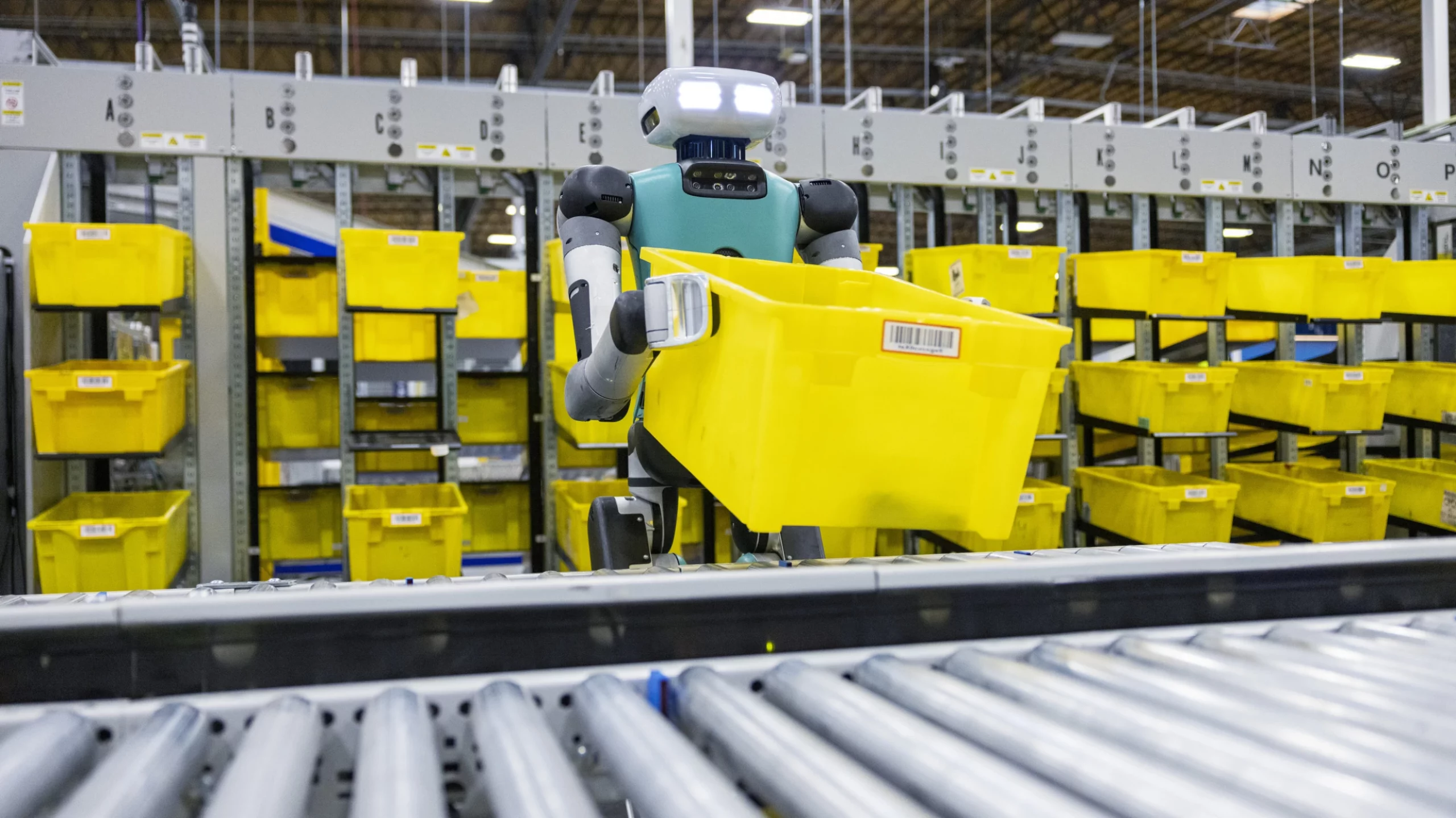
Amazon's aggressive spending on AI is evident from its capital expenditure plans. In February, the company announced it would allocate $200 billion toward capital expenditures this year, with the bulk directed at AI infrastructure. This figure surpasses the spending plans of competitors Google and Microsoft. Amazon CEO Andy Jassy justified the outlay by stating, "We're going to invest to be the leader in this space," during an investor call. The company is investing in custom AI chips, robotics, and low Earth orbit satellites, aiming to strengthen its position in the cloud computing market and beyond.
The investment includes the development of Amazon Web Services (AWS) AI services, expansion of data centers, and integration of AI into logistics and operations. Amazon's custom AI chips, such as Trainium and Inferentia, are designed to reduce reliance on external suppliers and optimize performance for machine learning workloads. Robotics investments are transforming fulfillment centers, while satellite projects like Project Kuiper aim to provide global broadband connectivity, which could further enable AI applications at the edge.
Industry Context and Comparison
The tech industry's pivot to debt markets for AI funding comes as equity markets have become more cautious. Investors are demanding clarity on returns from AI investments, which are often unprofitable in the short term. Companies like Amazon, Google, and Microsoft are under pressure to demonstrate that their massive spending will translate into revenue growth and competitive advantages. The strong bond demand suggests that debt investors remain confident in the long-term prospects of these firms, even if equity investors are more skeptical.
Amazon's bond sale also reflects broader trends in corporate finance. In 2024, investment-grade companies have been issuing debt at a record pace, taking advantage of relatively stable interest rates despite the Federal Reserve's tightening cycle. The tech sector, in particular, is a major issuer, as companies seek to lock in financing for capital-intensive projects. Amazon's $126 billion in orders marks one of the highest demand levels ever for a corporate bond, demonstrating the market's appetite for high-quality, long-duration assets.
Market Reaction and Stock Performance
Amazon's stock experienced a decline in February following the announcement of its $200 billion capex plan. Investors expressed concerns about the near-term impact on profitability, as the heavy investment in AI infrastructure may not yield immediate returns. However, the successful bond sale has provided some reassurance. The company's shares have since partially recovered, as analysts emphasize the strategic necessity of investing in AI to maintain leadership in cloud computing and e-commerce.
The bond sale itself had a positive effect on market sentiment. The strong demand allowed Amazon to price the bonds at favorable spreads, reducing its cost of borrowing. This, in turn, signals that credit markets view Amazon as a low-risk borrower. The company's credit ratings remain high, with Moody's and S&P both assigning A-rated status, supported by its diversified revenue streams and strong cash generation.
Risks and Challenges Ahead
Despite the successful debt raising, Amazon faces several risks. The $200 billion capex plan represents a significant increase from previous years, and any slowdown in AI adoption or failure to achieve expected efficiencies could strain finances. Additionally, regulatory scrutiny of big tech is intensifying, with antitrust actions in the US and Europe potentially forcing changes to business practices. The company's AI investments also face competition from well-funded rivals like Microsoft, which has partnered with OpenAI, and Google, which is integrating AI across its product suite.
Moreover, the broader economic environment remains uncertain. While the debt market was receptive this time, future issuances could be affected by changes in interest rates, inflation, or geopolitical tensions. Amazon's decision to issue both US dollar and euro-denominated debt hedges against currency risk but also exposes it to fluctuations in exchange rates. The company must carefully balance its investment strategy with the need to maintain financial flexibility.
Amazon's foray into AI-driven robotics and satellites also carries execution risks. Project Kuiper, for example, requires significant investment in satellite manufacturing and launch capabilities before it can generate revenue. Similarly, custom AI chips must prove their performance and cost-effectiveness against established players like Nvidia. However, Amazon's track record of successful long-term bets, such as AWS and its logistics network, gives investors reason to be optimistic.
As tech companies continue to race toward AI dominance, debt markets are likely to play an increasingly important role in funding these ambitions. Amazon's latest bond sale is just one example of how the industry is leveraging cheap credit to build the infrastructure of the future. The $126 billion in demand underscores the confidence that fixed-income investors have in the company's vision, even as equity markets remain cautious. The coming years will reveal whether these investments pay off, but for now, Amazon is doubling down on its commitment to lead in the AI era.
Source: Silicon UK News